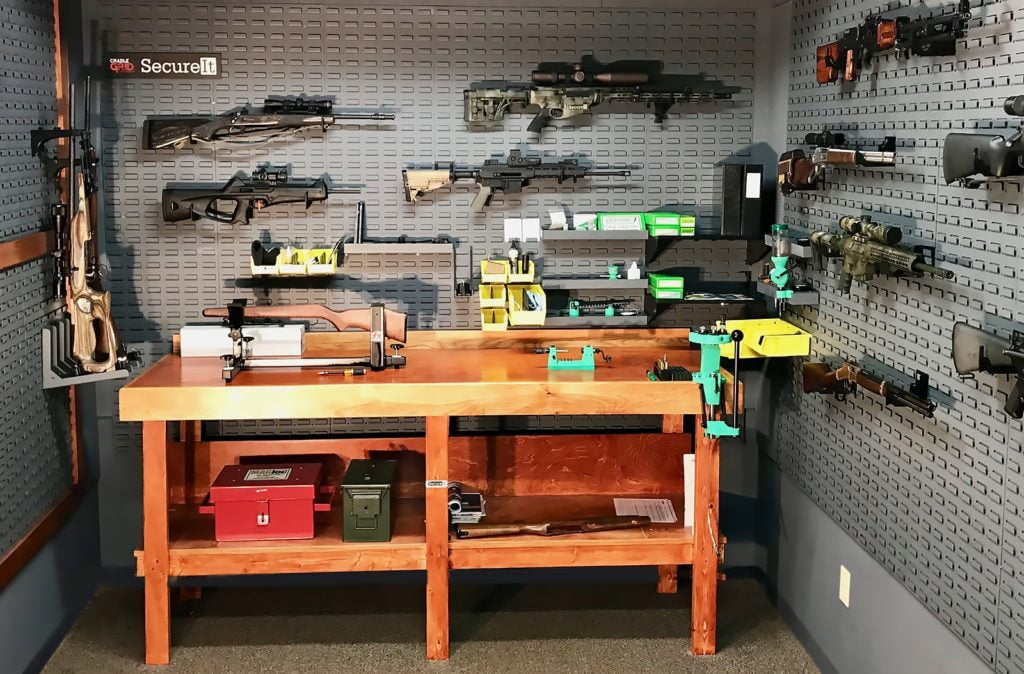
Alright, so you're thinking about building an in-wall gun cabinet. That's a pretty cool idea, and it's definitely a great way to keep your firearms secure and out of sight. But before we jump into the nitty-gritty, let's talk about why you'd even want to do this.
Why build an in-wall gun cabinet?
There are a bunch of reasons why an in-wall gun safe might be the perfect fit for you. It's all about blending security with a touch of style:
Security: Let's be real, gun safety is super important. An in-wall safe is less likely to be spotted by potential thieves than a standalone safe. It's like a secret compartment, blending seamlessly into the wall.
Aesthetics: Nobody wants a giant safe cluttering up their living room. An in-wall cabinet can be discreetly hidden behind a painting, mirror, or even a section of drywall. Talk about a clean look!
Customization: You're the boss! You get to decide the size, features, and even the finish of your in-wall safe. You can build it to perfectly fit your collection and your home decor.
Peace of mind: Knowing your firearms are safely secured behind a hidden door gives you a sense of peace, especially if you have kids or pets.
The big decision: Where to build it?
The best place for your in-wall gun cabinet depends on your home, your needs, and your level of DIY confidence. Here are a few popular spots:
The closet: Closet walls are often the most accessible and easiest to work with. Plus, they are usually pretty hidden from view.
The pantry: If you've got a pantry with some dead space, it can be a sneaky place for a safe. Just make sure it's well-ventilated, or you might end up with a funky aroma.
The basement: A basement wall can be a great spot for a big safe. It's usually less visible and provides good insulation.
The garage: While not the most attractive option, the garage can be a good choice for a larger safe, especially if you have tools and space to work.
Let's start planning!
Before you start swinging a hammer, let's lay out a plan. Here are the essential steps to building your in-wall gun cabinet:
1. Design and planning:
Choose the location: Pick a spot that's secure, accessible, and won't impact any critical wiring or plumbing.
Determine the size: Measure the space where you want to build the safe, and decide how many guns and other valuables you want to store.
Draw a detailed plan: This is where you sketch out the dimensions, compartments, shelves, and features of your safe.
Select materials: Choose the right materials for your safe. Steel is the most common choice for security, but wood can also be used for framing.
Find the right tools: You'll need basic carpentry tools (saw, drill, level, hammer), and you might need some specialty tools like a stud finder, a jigsaw, and a metal cutting saw.
2. Building the safe:
Cut and assemble the frame: Cut the wood or steel pieces to your plan and assemble them securely. This is where you'll install the door hinges and locking mechanism.
Install the shelves and compartments: If you're building shelves or compartments, make sure they're strong enough to support your belongings.
Secure the safe to the wall: You'll need to use heavy-duty anchors or bolts to secure the safe to the wall studs for extra strength.
Finish the interior: Add padding or lining to protect your valuables, and install lights or other features as desired.
3. Concealing the safe:
Cover the safe: You can use drywall, plywood, or even decorative panels to conceal the safe.
Create a hidden door: For the ultimate in secrecy, you can install a hidden door. This is where a hinged panel, book shelf, or even a mirror can conceal the safe.
Add a finishing touch: Blend the safe into its surroundings by painting it or using wallpaper to match the surrounding walls.
Building your in-wall gun cabinet â€" A step-by-step guide
Ok, now let's break down the actual building process into manageable steps. Let's assume you're going with a basic in-wall gun cabinet made of wood.
1. Prepare the space:
Locate studs: Use a stud finder to locate the studs where you want to build the safe.
Clear the area: Remove any obstacles like furniture or wall hangings.
Cut the drywall: Cut a rectangular opening in the drywall to accommodate the safe's dimensions. Be careful not to damage any wiring or plumbing.
2. Building the frame:
Measure and cut: Cut the wood pieces for the frame according to your plan.
Assemble the frame: Attach the pieces of wood using screws or nails, ensuring the frame is square and level.
Attach the door: Install the door hinges and the door locking mechanism.
3. Adding features:
Install shelves: Cut and install shelves, making sure they're secure and evenly spaced.
Install a door lock: Choose a sturdy lock, and secure it to the door. Consider a combination lock for added security.
Add padding: Line the interior with foam or felt padding to protect your firearms.
4. Securing the safe:
Attach to the wall: Use heavy-duty anchors or bolts to secure the frame to the wall studs.
Test the door: Make sure the door opens and closes smoothly, and the lock is secure.
5. Concealing the safe:
Install the drywall: Cut and install the drywall to conceal the safe, making sure it's flush with the surrounding wall.
Finish the surface: Paint or wallpaper the drywall to blend in with the surrounding walls.
6. Final touches:
Install a handle: Attach a discreet handle to the door, making it easy to open and close.
Add a latch or bolt: Consider adding an extra latch or bolt for added security.
Safety and security â€" don't skip the details!
You've built a fancy safe, now let's talk about keeping your firearms safe and secure:
Lock it up: Always use a strong lock and secure the door whenever you're not using the safe.
Safe storage: Store your guns unloaded and separate from ammunition.
Keep it hidden: The whole point of an in-wall safe is to keep it hidden from view.
Childproofing: If you have children, make sure they can't access the safe. Consider using a childproof lock or a safe with a key lock that's well out of reach.
Don't forget the ammunition: Store your ammunition in a separate safe or lockbox, away from your firearms.
Important tips:
Building codes: Check with your local building codes to make sure your in-wall safe meets their requirements.
Professional help: If you're not comfortable with the building process, consider hiring a contractor to help you.
Insurance: Make sure you have adequate insurance coverage for your firearms and valuables.
Practice safe handling: Always practice safe handling of firearms, and make sure you're familiar with the safe's operating instructions.
Building an in-wall gun cabinet can be a fun and challenging project. Just remember to plan it out carefully, prioritize safety, and take your time. You'll end up with a custom safe that keeps your guns secure and looks great in your home. And if you need more tips or have any questions, don't hesitate to reach out to a local expert. Happy building!
0 comments:
Post a Comment
Note: only a member of this blog may post a comment.