Sunday, 26 January 2025

Creative wooden craft projects for kids

Unleash Your Child's Inner Artist: Creative Wooden Craft Projects

Woodworking offers a unique blend of creativity and hands-on learning, perfect for engaging children of all ages. Forget messy paints and fleeting creations; wooden crafts provide lasting, tangible results that kids can truly cherish. From simple projects that build foundational skills to more advanced creations that challenge their abilities, woodworking for kids is a rewarding experience that fosters patience, problem-solving, and a deep appreciation for craftsmanship.

Beginner-Friendly Wooden Wonders

Starting with simple projects builds confidence and encourages exploration. These beginner-friendly options require minimal tools and supervision, allowing younger children to participate actively and safely. Focus on projects that emphasize sanding and decorating to introduce the basics of wood manipulation. The sense of accomplishment from completing a project, however small, fuels their desire to learn more.

Adorable Wooden Animals

Pre-cut wooden shapes are readily available online or at craft stores. Choose simple shapes like birds, fish, or even whimsical creatures. Let your child personalize their animal using non-toxic paints, colorful markers, or even fabric scraps for added texture. They can glue on googly eyes, add felt details, and create a truly unique wooden friend. This project builds fine motor skills and sparks imaginative play.

Personalized Wooden Coasters

Simple square or round wooden coasters provide a fantastic canvas for creative expression. Use sandpaper to smooth the edges, then let your children decorate them with paint, decoupage, or even burn designs using a child-safe wood-burning tool (always under adult supervision). This project teaches about surface preparation and introduces the concept of functional art.

Intermediate Wooden Masterpieces

Once children have mastered basic techniques, it's time to introduce more challenging projects that require slightly more precision and tool use. These projects help children develop their dexterity and problem-solving skills while fostering a sense of pride in creating something more complex.

Miniature Wooden Houses

Constructing small houses from pre-cut wood pieces develops spatial reasoning and fine motor control. Children can learn about assembling structures, using glue effectively, and adding decorative elements like miniature doors and windows. They can paint and personalize their houses, transforming them into imaginative play homes for dolls or small toys.

Creative Wooden Puzzles

Creating a simple wooden puzzle from a larger piece of wood requires measuring, cutting, and sanding, developing crucial skills. Begin with a straightforward design, such as a simple shape or a recognizable animal. Children will gain satisfaction from designing the puzzle and then proudly solving it. Using a jigsaw (always under adult supervision) adds an element of excitement.

Advanced Wooden Adventures (With Adult Supervision)

For older children with increased dexterity and a deeper interest, more advanced projects introduce the use of various tools and techniques, fostering a love for the craft. Remember: adult supervision is crucial for these projects, ensuring safe and effective use of tools.

Unique Wooden Boxes

Building a small wooden box involves careful measuring, precise cuts, and accurate assembly. Children can learn about joinery techniques (like simple butt joints) and the importance of precise measurements. After construction, the box can be personalized with paint, carvings, or pyrography.

Intricate Wooden Ornaments

From intricate Christmas ornaments to personalized holiday decorations, older children can use their growing woodworking skills to create personalized gifts. They can explore detailed carving, sanding and painting techniques to craft unique and memorable pieces. The potential for design is limitless.

Remember to always prioritize safety when working with wood and tools. Supervise children closely, provide appropriate safety equipment, and ensure that the workspace is clean and organized. With a little patience and guidance, these creative wooden craft projects will not only entertain your children but also equip them with valuable life skills and a newfound appreciation for the beauty of handmade objects.

Saturday, 25 January 2025

Building a Solid Oak Dining Table for Long-Lasting Quality

Building a Solid Oak Dining Table for Long-Lasting Quality

The construction of a solid oak dining table represents a commitment to enduring quality and timeless craftsmanship. Unlike mass-produced furniture, a meticulously built oak table offers unparalleled durability, aesthetic appeal, and the potential to become a cherished heirloom passed down through generations. This detailed guide outlines the process of building such a table, emphasizing the selection of materials, precise joinery techniques, and finishing processes crucial for achieving a truly exceptional result.

I. Material Selection: The Foundation of Excellence

The choice of materials profoundly impacts the final product's quality and longevity. For a solid oak dining table, selecting the right oak is paramount. Several factors merit careful consideration:

A. Oak Species and Grade

White oak and red oak are the two most common choices. White oak, known for its greater strength, water resistance, and tighter grain, is generally preferred for furniture construction. Red oak, while slightly less durable, offers a richer, more pronounced grain pattern. The grade of the oak also plays a crucial role. Select grade oak boasts minimal imperfections, ensuring a smooth, consistent surface. Number 1 common grade permits some minor knots and imperfections, which can add character but may require more careful planning during construction.

B. Lumber Sourcing and Preparation

Sourcing your lumber from a reputable supplier is critical. Ensure the wood is properly kiln-dried to a moisture content of 6-8% to prevent warping, cracking, and shrinkage after construction. Inspect each board carefully for defects such as splits, checks, and excessive knots. Planing the lumber to consistent thickness is essential for accurate joinery and a visually appealing finished product. Consider the orientation of the grain; for stability, plan to arrange boards with the grain running in the same direction, typically parallel to the length of the table.

II. Design and Planning: A Blueprint for Success

Before commencing construction, a detailed design is essential. This includes determining the table's overall dimensions, the style of legs and apron, and the desired thickness of the tabletop. Precise measurements and careful planning prevent errors and ensure a seamless construction process.

A. Dimensions and Proportions

Consider the available space and the number of diners the table will accommodate. A standard dining table is approximately 30-36 inches wide, with the length determined by the number of people it needs to seat comfortably (allow approximately 24 inches per person). The table height typically ranges from 28-30 inches. Maintain a harmonious balance between the tabletop's dimensions and the legs' proportions to create a visually pleasing design.

B. Choosing a Construction Style

Several joinery techniques can be employed to create a strong and aesthetically pleasing table. The most common include:

  • Mortise and Tenon Joints: These robust joints, involving a projecting tenon (a tongue) fitted into a mortise (a hole) in the adjoining piece, are ideal for joining the legs and apron.
  • Dovetail Joints: While more complex to execute, dovetail joints offer exceptional strength and visual appeal, particularly for the apron's construction.
  • Butt Joints with Reinforcement: Simpler to construct, butt joints require reinforcement, such as dowels, screws, or biscuits, to ensure sufficient strength.

The chosen joinery technique should align with your skill level and desired aesthetic.

III. Construction: Precision and Patience

The construction phase demands precision, attention to detail, and patience. Each step must be executed carefully to ensure the table's stability and longevity. Proper use of tools and techniques is critical for achieving a professional finish.

A. Cutting and Shaping the Components

Accurately cut all components to the pre-determined dimensions, using precise measuring tools and appropriate woodworking machinery (e.g., table saw, miter saw, planer). Ensure all surfaces are smooth and square. For curved or shaped elements, utilize jigs and templates for accuracy and consistency.

B. Assembling the Table

Assemble the table frame, starting with the legs and apron. Dry-fit all components before applying glue and any fasteners. Use clamps to ensure a secure and even fit. Once the glue has cured, remove the clamps and check for alignment and stability.

C. Attaching the Tabletop

The tabletop can be constructed from multiple boards, carefully chosen and arranged to minimize visible imperfections. Glue the boards together, using clamps to ensure a tight and even fit. Once the glue has cured, plane the tabletop to a consistent thickness and smooth any imperfections. Attach the tabletop to the table frame using robust fasteners, such as countersunk screws or bolts, ensuring the attachment is secure and evenly distributed.

IV. Finishing: Protecting and Enhancing the Beauty of Oak

The final step in constructing a solid oak dining table is applying a protective finish. This enhances the wood's natural beauty and provides long-lasting protection against moisture, scratches, and other damage.

A. Sanding and Preparation

Thoroughly sand the entire table, starting with coarser grit sandpaper and progressively moving to finer grits. This process removes any imperfections and creates a smooth surface for the finish to adhere to. Remove all sanding dust using a tack cloth before applying any finish.

B. Applying the Finish

Various finishes can be applied to oak, including oil-based polyurethane, water-based polyurethane, varnish, and shellac. Each finish offers different properties in terms of durability, sheen, and ease of application. Apply multiple thin coats, allowing sufficient drying time between coats, to build a protective layer. Sand lightly between coats to ensure a smooth finish. Consider a clear coat to showcase the natural beauty of the oak or experiment with different stains to achieve the desired color.

V. Conclusion: A Legacy of Quality

Building a solid oak dining table is a rewarding endeavor that yields a piece of furniture of exceptional quality and lasting value. By carefully selecting materials, planning the design, executing precise joinery, and meticulously applying a protective finish, you can create a table that will be a centerpiece in your home for years to come, potentially becoming a treasured family heirloom. The effort invested in this project is far outweighed by the satisfaction of owning and using a beautifully crafted piece of furniture that reflects your dedication to quality and craftsmanship.

How to Build a Simple Cajon Drum with Wood and Basic Tools

Constructing a Rudimentary Cajon Drum Utilizing Basic Woodworking Techniques

This document provides a comprehensive guide to crafting a simple cajon drum using readily available materials and fundamental woodworking tools. The process, while straightforward, necessitates careful attention to detail and precision in measurement to ensure optimal sound quality and structural integrity. This guide assumes a basic understanding of woodworking safety practices and the proper use of hand tools. Always prioritize safety by wearing appropriate personal protective equipment (PPE) such as safety glasses and a dust mask.

Material Selection and Preparation

The quality of the materials directly impacts the final sound and durability of the cajon. Careful selection is crucial. While various wood types can be used, hardwoods generally yield superior results due to their density and resonant properties.

Choosing the Wood

For the body of the cajon, consider hardwoods like plywood (e.g., birch or poplar plywood), pine, or maple. Plywood offers stability and ease of construction, while solid wood provides a richer, more resonant tone. The thickness of the wood is crucial; a thickness of 1/2 inch (12mm) to ร‚¾ inch (19mm) is recommended for the sides and bottom, and slightly thicker material for the front soundboard (approximately ร‚¾ inch to 1 inch (19mm to 25mm)).

For the front soundboard, a thinner piece of wood (around 1/4 inch (6mm) to ร‚½ inch (12mm)) is generally preferred to allow for better vibration and sound projection. This soundboard can also be made of a different wood species to experiment with tonal variations. Consider using a softer wood like spruce or cedar for a warmer sound, or a harder wood for brighter tones.

Cutting the Wood

Precise cutting is paramount. Measure and mark the wood accurately to ensure the cajon's structural integrity. The dimensions can vary to suit the desired size, but a common starting point is approximately 18 inches (46cm) high, 12 inches (30cm) wide, and 12 inches (30cm) deep. You'll need to cut the following pieces:

  • Two side panels: The height and width will correspond to the desired dimensions of the cajon.
  • Two back panels: These panels will have the same height as the side panels, but the width will be less than the side panels to create the depth.
  • One bottom panel: This piece will be cut to fit the width and depth of the cajon.
  • One front soundboard panel: This will be slightly smaller than the width and depth of the cajon to allow for a gap. Its thickness should be less than the other panels.

Utilize a circular saw, table saw, or hand saw to cut the wood. Ensure the cuts are square and clean to facilitate easy assembly. A smooth cut minimizes the need for sanding and enhances the final product's aesthetics.

Cajon Assembly and Construction

Once the wood has been accurately cut, the assembly process begins. This stage requires careful alignment and application of wood glue and possibly clamps to ensure a robust and secure structure.

Joining the Panels

Apply wood glue liberally to the edges of the side, back, and bottom panels that will be joined. This ensures a strong and permanent bond. Carefully align the panels to create a rectangular box shape. Use clamps to hold the pieces firmly together while the glue dries, typically overnight. Ensure that the panels are perfectly square and aligned; any imperfections at this stage will be apparent in the final product.

Attaching the Soundboard

The front soundboard is attached differently to allow for its vibrational properties. It should not be glued directly to the cajon body. Instead, various methods can be employed:

  • Floating soundboard: Leave a small gap around the soundboard and simply use a few screws to secure it loosely, allowing it to vibrate freely. This method creates a more resonant sound.
  • Partial adhesive: Apply a thin bead of adhesive around the perimeter of the soundboard, creating a seal but allowing some vibration. This offers a compromise between a completely free and completely fixed soundboard.
  • Fully glued soundboard: Gluing the soundboard completely eliminates vibration, resulting in a duller sound. This method is generally discouraged for a cajon.

After choosing your method, carefully position the soundboard and secure it using screws or nails. Countersink the screws or nails to keep them flush with the surface of the soundboard and avoid causing damage to the wood.

Finishing Touches and Refinement

After assembly, the cajon requires finishing to enhance its durability and aesthetics. Sanding and applying a protective finish are crucial steps in this process.

Sanding and Smoothing

Use sandpaper, starting with a coarser grit (e.g., 80-grit) to remove any rough edges or imperfections and gradually progressing to finer grits (e.g., 120-grit, then 220-grit) for a smooth finish. Sand all surfaces, paying close attention to corners and edges. Proper sanding contributes significantly to the cajon's overall quality and feel.

Applying a Finish

Applying a finish protects the wood from damage and enhances its appearance. Options include varnish, polyurethane, or a natural oil finish such as linseed oil. Follow the manufacturer's instructions for the chosen finish. Multiple thin coats are generally better than one thick coat, as they provide better penetration and minimize the risk of drips or uneven application. Allow ample drying time between coats.

Internal Sound Modification (Optional)

The internal structure can be modified to alter the sound of the cajon. This involves adding internal bracing or sound dampening materials.

Internal Bracing

Adding internal bracing can enhance the cajon's resonance and projection. This can involve adding small wooden blocks or strips of wood inside the cajon, glued and secured to the walls. The placement and configuration of bracing can affect the sound significantly, requiring experimentation for optimal results.

Sound Dampening

Adding sound dampening materials, such as felt, foam, or even blankets, can lower the overall volume or adjust the timbre of the cajon. These materials are placed inside the cajon, often near the soundboard, to reduce unwanted vibrations and frequencies.

Conclusion

Constructing a simple cajon is a rewarding project that combines woodworking skills with creative expression. By carefully following the steps outlined in this guide and paying attention to detail, you can create a functional and resonant instrument. Remember that experimentation is key; try different wood types, bracing techniques, and finishing methods to find your desired sound and aesthetic. Enjoy the process and the unique sounds your homemade cajon produces!

Wednesday, 20 November 2024

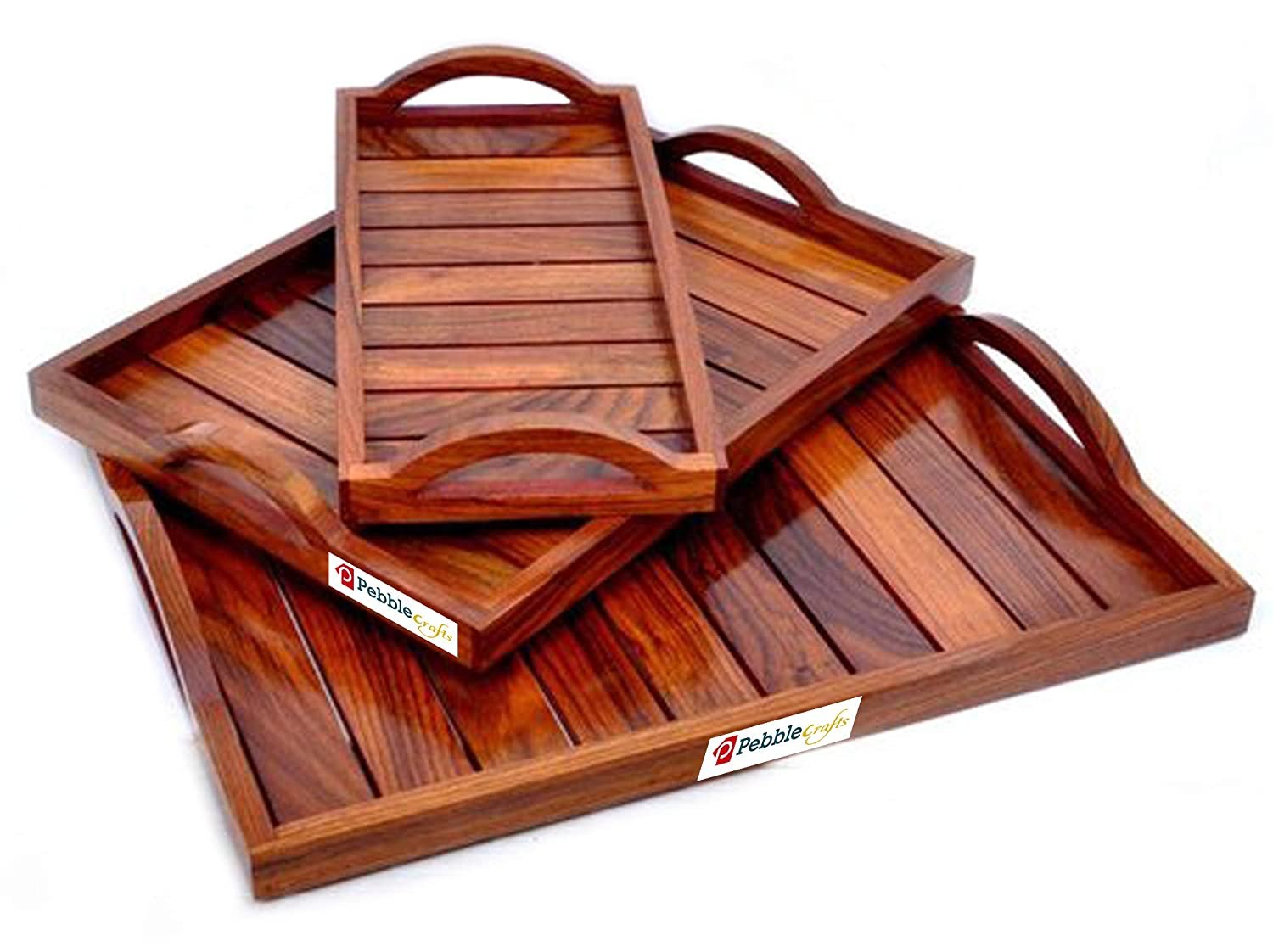
How to Make a Wooden Serving Tray with Personalization Options

How to Make a Wooden Serving Tray with Personalization Options

Crafting a Personalized Wooden Serving Tray: A Detailed Guide

A wooden serving tray is more than just a functional kitchen utensil; it is an elegant statement piece, a unique gift, and a canvas for personalization. With a little time and effort, you can create a stunning, customized serving tray that will be treasured for years to come. This comprehensive guide will walk you through every step of the process, from choosing the right wood to adding your personal touch.

Materials and Tools

Before embarking on your crafting journey, ensure you have all the necessary materials and tools:

Wood Selection

The wood you choose will significantly impact the final appearance and durability of your serving tray. Consider these options:

  • Maple: Known for its beautiful grain and durability, maple is an excellent choice for serving trays.
  • Cherry: This wood boasts a warm, reddish hue and a fine grain, making it aesthetically pleasing.
  • Walnut: Rich brown with dark streaks, walnut offers a luxurious feel and excellent durability.
  • Oak: Sturdy and with a distinctive grain pattern, oak is a classic choice for serving trays.
  • Pine: A softwood that is lightweight and affordable, pine is suitable for beginner projects.

When choosing wood, consider the project's size, desired aesthetic, and budget.

Tools

  • Table Saw: For cutting the wood to size and creating precise edges.
  • Miter Saw: For cutting accurate angles for the tray's edges.
  • Sandpaper: Various grits for smoothing the wood and removing imperfections.
  • Wood Glue: For securely joining the tray's pieces.
  • Clamps: To hold the wood pieces together while the glue dries.
  • Wood Stain: To add color and enhance the wood's natural beauty.
  • Polyurethane Finish: For protecting the wood and providing a smooth, water-resistant surface.
  • Paintbrushes: For applying stain and finish.
  • Measuring Tape: For accurate measurements.
  • Pencil: For marking the wood.
  • Safety Glasses and Dust Mask: For protecting your eyes and lungs from wood dust.

Construction Process

Follow these steps to build your wooden serving tray:

Cutting the Wood

1. Determine the desired dimensions of your tray. For a standard serving tray, a length of 12-16 inches and a width of 8-12 inches are common.

2. Using a table saw or miter saw, cut the wood to the desired size for the tray's base.

3. If desired, cut the wood for the sides of the tray. You can create a simple design with two sides or opt for a more intricate design with multiple sides.

Assembling the Tray

1. Apply wood glue to the edges of the sides, ensuring a generous amount of glue is applied.

2. Carefully attach the sides to the base, ensuring the corners are aligned and the pieces are firmly connected.

3. Clamp the sides and base together and allow the glue to dry completely, following the manufacturer's instructions.

Sanding and Finishing

1. Once the glue has dried, sand the entire tray with sandpaper, starting with a coarse grit and gradually moving to finer grits.

2. Sand with the grain of the wood to avoid scratches and create a smooth surface.

3. Wipe away any dust with a tack cloth.

4. Apply the desired wood stain, following the manufacturer's instructions. Allow the stain to dry thoroughly.

5. Apply a polyurethane finish, ensuring an even coat. Allow the finish to dry completely before handling the tray.

Personalization Options

The beauty of crafting a wooden serving tray lies in the endless personalization options available. Enhance your tray's uniqueness and make it truly special with these ideas:

Engraving

Add a touch of elegance and permanence by engraving a personal message, initials, or a design onto the tray. You can utilize a handheld engraving tool or seek professional engraving services for more intricate designs.

Painting and Decoupage

Add a pop of color and vibrancy with painting or decoupage. Select your favorite colors and paint patterns, or use decorative paper for a unique touch.

Inlays and Intarsia

Create intricate designs and patterns by using different colored wood pieces. Inlays involve inserting small pieces of contrasting wood into the tray's surface, while intarsia uses different colored wood pieces to create a mosaic-like design.

Decorative Handles

Replace the standard handles with unique options, such as leather straps, metal handles, or rope handles, to match the tray's style and your personality.

Tips for Success

Here are some tips for crafting a flawless wooden serving tray:

  • Measure Twice, Cut Once: Accurately measure the wood before cutting to avoid mistakes.
  • Use Quality Materials: Invest in high-quality wood and finishing products to ensure a durable and beautiful tray.
  • Be Patient: Take your time with each step, allowing the glue to dry completely and the finish to cure properly.
  • Practice Safe Woodworking: Wear safety glasses and a dust mask to protect yourself from wood dust and debris.
  • Experiment: Don't be afraid to try new techniques and personalization options to create a truly unique serving tray.

Crafting a wooden serving tray is a rewarding experience that allows you to express your creativity and create a lasting heirloom. With careful planning, attention to detail, and a touch of personalization, you can create a stunning and functional centerpiece that will be treasured for years to come.

How to Make Your First Woodworking Project as a Beginner

How to Make Your First Woodworking Project as a Beginner

Ready to Get Your Hands Dirty? Your First Woodworking Project Awaits!

So, you're ready to dive into the world of woodworking? Awesome! It's a rewarding hobby that can be as simple or complex as you want it to be. But let's be honest, starting a new skill can feel daunting. Don't worry, we're going to break down how to make your first woodworking project a success, even if you've never touched a saw before.

Choosing Your First Project

The key to a successful first project is picking something that's achievable and fun. Don't go for a complex, ornate coffee table on your first try. Think simple, useful, and satisfying! Here are a few ideas to get your creative juices flowing:

  • Cutting Board: A classic beginner project! You can find plenty of plans online, and it's a great way to practice basic cuts and sanding.
  • Simple Shelf: A perfect way to learn about joining techniques, like screwing and gluing. Plus, you can customize it to fit your space.
  • Birdhouse: A cute and practical project that's relatively easy to build. You'll learn about shaping wood and working with small pieces.
  • Wooden Sign: Perfect for adding a personalized touch to your home. It's a good introduction to cutting shapes and adding lettering.

The most important thing is to choose something that excites you! Once you have an idea, it's time to gather your materials and tools.

Essential Tools for the Beginner Woodworker

You don't need a full-blown workshop to get started. A few essential tools will get you through your first project and beyond. Here's a basic starter kit:

  • Hand Saw: For making straight cuts. A good quality hand saw is an investment that will last you a lifetime.
  • Measuring Tape and Pencil: Essential for accurately marking your cuts. Invest in a good measuring tape that retracts smoothly.
  • Screwdriver Set: You'll likely be using screws for your first project. A good set with various sizes will come in handy.
  • Clamps: Used to hold pieces of wood together while you work. Get a couple of good quality clamps to start.
  • Sandpaper: You'll need sandpaper in various grits for smoothing and finishing your project. A starter pack with different grit levels will help you get started.
  • Wood Glue: For joining pieces of wood. Choose a good quality wood glue that's specifically designed for woodworking.
  • Safety Glasses: Protect your eyes from flying wood chips and sawdust. Always wear safety glasses when woodworking!
  • Dust Mask: Important for protecting your lungs from sawdust, especially when sanding.
  • Work Gloves: These provide grip and protect your hands from splinters and rough surfaces.

As you progress, you might find yourself needing additional tools, like a jigsaw, drill, or router. But for now, these essential tools will get you started. It's also a good idea to invest in a decent workbench or a sturdy table to work on.

Getting Ready to Build

Now that you have your tools and a project in mind, it's time to prepare your workspace. Choose a well-lit area with enough room to move around comfortably. Clear away any distractions and make sure you have everything you need within reach. You can even set up a designated workspace in your garage or shed.

Once your workspace is prepped, it's time to gather your materials. Make sure to get the right type and quantity of wood for your project. If you're unsure, ask for help at your local lumber yard. Don't forget any hardware you'll need, like screws, hinges, or knobs.

Time to Get Your Hands Dirty! (But Safely, of Course!)

Now, the exciting part รข€" actually building your project! Take it slow and steady. Read through the plans or instructions carefully before you start cutting. Don't be afraid to ask for help if you're unsure about a step. Here's a general process to follow:

  • Measure Twice, Cut Once: Accuracy is key in woodworking. Double-check your measurements before you make a cut. It's better to be safe than sorry!
  • Make Clean Cuts: Use your saw carefully to make straight, clean cuts. If you're working with a hand saw, focus on using smooth, controlled strokes.
  • Join the Pieces: Depending on your project, you'll likely be using screws or glue to join pieces of wood. Make sure to apply glue evenly and use clamps to hold the pieces together until the glue dries.
  • Sand it Smooth: Sanding is essential for creating a smooth and polished finish. Start with a coarser grit and gradually work your way up to a finer grit. Don't be afraid to sand along the edges and corners for a more refined look.
  • Finishing Touches: Once your project is sanded, you can add a finishing touch. This could include staining, painting, or applying a clear sealant. Choose a finish that complements your wood and your project's style.

Embrace Mistakes and Learn from Them

Don't get discouraged if you make a mistake! It's all part of the learning process. Everyone makes mistakes, even seasoned woodworkers. The important thing is to learn from them. If you mess up a cut, don't throw away the piece. Try to salvage it or use it for a different part of your project. Or maybe even try to make a fun design out of your mistake!

Be Patient and Have Fun!

Woodworking takes practice and patience. Don't expect to become a master craftsman overnight. Take your time, enjoy the process, and celebrate your successes. Each project will teach you something new and help you build your skills.

Commonly Asked Questions

Q: What kind of wood should I use for my first project?

A: For beginners, it's best to start with softwoods like pine or spruce. They're easier to work with and less expensive. As you gain experience, you can experiment with hardwoods like oak or cherry.

Q: How do I know if I'm using the right tools for my project?

A: If you're unsure, it's always a good idea to ask for advice at a local lumberyard or woodworking store. They can help you choose the right tools and materials for your project.

Q: What if I don't have a lot of space for a workshop?

A: Don't worry! You can start woodworking even if you have limited space. A sturdy table or workbench in your garage, basement, or even a corner of your living room can work. The key is to have a designated workspace where you can work safely and comfortably.

Q: Where can I find woodworking plans?

A: You can find plenty of free woodworking plans online, on websites like Ana White, Woodworking for Mere Mortals, and Instructables. You can also find plans in woodworking magazines and books.

Q: How do I make sure my woodworking project is safe?

A: Always prioritize safety! Wear safety glasses, a dust mask, and gloves when working with wood. Use tools properly and carefully, and never rush your work. If you're unsure about a step, ask for help. Safety should always be your top priority.

So, what are you waiting for? Grab your tools, choose your project, and get ready to create something amazing! The world of woodworking is waiting for you.

Tuesday, 19 November 2024

Small Woodworking Projects with High Resale Value

Small Woodworking Projects with High Resale Value

Small Woodworking Projects with High Resale Value: Turn Your Skills Into Profit

So, you've got woodworking skills and you're looking to turn that hobby into a side hustle or even a full-time gig. The good news is, there's a huge market for handcrafted wooden goods, and there are plenty of small projects that can fetch a pretty penny. But how do you know which projects are worth your time and effort?

Don't worry, we've got you covered. In this article, we'll dive into a few small woodworking projects that consistently sell well, along with some tips for crafting high-quality pieces that will attract buyers and boost your bottom line.

Small Woodworking Projects That Sell: From Coasters to Cutting Boards

Let's start with some projects that are relatively quick and easy to make, but still command a good price. These are perfect for beginners or those who want to test the waters before diving into larger projects.

Coasters

Coasters are a classic, easy-to-sell woodworking project. They're small, versatile, and can be made from a variety of wood types, including scraps. You can get creative with designs, adding features like inlays, burning patterns, or epoxy resin accents. Popular styles include:

  • Simple geometric coasters
  • Rustic coasters with live edges
  • Coasters with decorative patterns
  • Coasters with a unique shape

Don't forget to use a sealant to protect your coasters from moisture and spills.

Cutting Boards

Cutting boards are a must-have for any kitchen, and they're another great project for beginner woodworkers. You can make them from a variety of hardwoods, like maple, walnut, or cherry. Be sure to use food-safe finishes and avoid using any woods that could be harmful if ingested.

  • Small cutting boards for cheese or charcuterie
  • Larger cutting boards for vegetables or meat
  • Cutting boards with a built-in juice groove
  • Cutting boards with a handle

Serving Trays

Serving trays are perfect for displaying snacks, appetizers, or even a simple cup of coffee. They can be made from various wood types and sizes. You can also add a handle for easy carrying.

  • Small serving trays for cheese or appetizers
  • Large serving trays for meals or parties
  • Serving trays with a decorative design
  • Serving trays with a built-in handle

Consider using a food-safe finish for your serving trays to ensure they can withstand the occasional spill.

Jewelry Boxes

Jewelry boxes are a thoughtful and practical gift, and they can be made in a variety of styles to suit different tastes. You can use various wood types, from simple pine to more luxurious hardwoods like mahogany. You can also add intricate details like inlays, carvings, or decorative hinges.

  • Small jewelry boxes for rings and earrings
  • Large jewelry boxes for necklaces and bracelets
  • Jewelry boxes with a secret compartment
  • Jewelry boxes with a mirror inside

Small Wooden Toys

If you're looking to tap into a niche market, wooden toys are a great option. They're eco-friendly, durable, and can be made in all sorts of fun and imaginative designs. Consider these:

  • Simple wooden blocks
  • Wooden puzzles
  • Wooden cars and trucks
  • Wooden dolls and playsets

Make sure to use non-toxic finishes and paints for your wooden toys, especially if they'll be used by children.

Tips for Crafting High-Quality Woodworking Projects

Now that you've got a few project ideas in mind, let's talk about how to craft high-quality pieces that will impress your customers and earn you top dollar. Here are some key tips:

  • Choose the right wood: Different wood types have different qualities and characteristics. For instance, hardwood is generally stronger and more durable than softwood. Consider the project you're making and the desired look and feel when selecting your wood.
  • Pay attention to detail: Small imperfections can quickly become noticeable in small projects. Take your time and use accurate measurements, precise cuts, and smooth finishes.
  • Use high-quality tools and materials: A good set of tools and quality materials will make a world of difference in the final product. Invest in durable tools and choose finishes specifically designed for your project.
  • Practice proper sanding: Sanding is crucial for creating smooth, polished surfaces. Start with coarse grit sandpaper and gradually work your way to finer grits to achieve a flawless finish.
  • Choose the right finish: The finish you apply to your woodworking project will have a big impact on its appearance and durability. Choose a finish that is appropriate for the type of wood you're using and the intended use of the project.
  • Brand yourself: Create a unique brand identity that sets you apart from the competition. This could include a logo, a consistent style, or a signature element in your work.
  • Promote your work: Once you have a few high-quality pieces, it's time to start promoting your business. Consider selling your products online through marketplaces like Etsy, or at local craft fairs or farmers' markets. You can also build a website and use social media to showcase your work.

Commonly Asked Questions

Q: What kind of woodworking tools do I need to get started?

A: For basic woodworking projects, you'll need a saw, a hammer, a screwdriver, clamps, sandpaper, measuring tape, and a pencil. As you progress, you may want to invest in more specialized tools like a router, a planer, or a drill press. There are also fantastic starter tool sets available, which are a great way to get started without breaking the bank.

Q: How do I price my woodworking projects?

A: Pricing your projects can be tricky, but it's important to factor in the cost of materials, your time, and your desired profit margin. You can research online to see what similar items are selling for, and consider offering different price points for different levels of customization.

Q: What are some tips for selling my woodworking projects online?

A: Take high-quality photos of your products in good lighting. Write clear and concise product descriptions, highlighting the materials, craftsmanship, and unique features. Provide accurate shipping information and offer competitive pricing.

Woodworking is a rewarding hobby, but it can also be a lucrative business. By creating high-quality, unique pieces, promoting your work effectively, and providing excellent customer service, you can turn your skills into a profitable enterprise.

Monday, 18 November 2024

Functional and Stylish Cutting Boards to Make and Sell

Functional and Stylish Cutting Boards to Make and Sell

Functional and Stylish Cutting Boards to Make and Sell

Hey there, crafty friends! Are you looking for a fun and profitable woodworking project that's both functional and stylish? Look no further than cutting boards! These kitchen essentials are always in demand, and with a little creativity, you can create unique designs that will stand out from the crowd.

So grab your tools and let's dive into the world of cutting board creation! We'll explore different wood types, design ideas, finishing techniques, and tips for pricing and selling your masterpieces.

Choosing the Right Wood

The first step is selecting the perfect wood for your cutting boards. You want something that's durable, beautiful, and safe for food contact. Here are a few popular choices:

Hardwoods

  • Maple: A classic choice for cutting boards. It's known for its hardness, durability, and beautiful grain patterns.
  • Cherry: A rich, warm-toned wood that develops a beautiful patina over time. It's also quite hard and durable.
  • Walnut: Offers stunning dark brown hues and a distinctive grain pattern. It's relatively hard and resistant to scratches.
  • Oak: A strong and durable wood with a distinctive grain. It can be a bit harder to work with, but it makes for a long-lasting cutting board.

Softwoods

  • Pine: An affordable option with a soft, light-colored grain. While not as durable as hardwoods, it's still a good choice for cutting boards, especially when used in conjunction with other woods.
  • Cedar: Known for its pleasant aroma and natural insect-repelling properties. It's a softer wood, so it's best used in combination with hardwoods or for smaller cutting boards.

When choosing wood, consider the intended use of the cutting board. If it's for everyday use, a harder wood like maple or cherry is a good option. If you're looking for a more decorative piece, a softwood like cedar could be a nice choice.

Design Inspiration

Now comes the fun part: designing your cutting boards! The possibilities are endless! You can keep it simple with a classic rectangular shape, or get creative with intricate designs, unique shapes, and various wood combinations. Here are a few ideas to get your creative juices flowing:

Classic Shapes and Sizes

  • Rectangular: The most common and versatile shape, perfect for everyday use.
  • Square: A sleek and modern option that can be customized with different sizes and wood combinations.
  • Round: A charming and unique shape that adds a touch of elegance to the kitchen.

Unique Design Features

  • Inlays: Create stunning patterns by incorporating different wood types into your design.
  • Edge Details: Add decorative touches with rounded edges, bevels, or contrasting wood borders.
  • Handles: Create ergonomic handles with contrasting wood or metal accents.
  • Personalized Details: Laser engrave initials, names, or custom logos for a personal touch.

Remember, the best designs are the ones that you find visually appealing and functional! Don't be afraid to experiment and create something truly unique.

Finishing Touches

Once you've crafted your masterpiece, it's time to give it a protective finish that enhances its beauty and durability. Here are some popular options:

Oils and Finishes

  • Mineral Oil: A safe and food-grade oil that penetrates the wood, protecting it from moisture and staining. Apply a few coats for optimal protection.
  • Beeswax: A natural wax that adds a protective barrier and enhances the natural sheen of the wood.
  • Tung Oil: A durable and water-resistant finish that creates a beautiful satin or gloss finish.
  • Polyurethane: A strong, protective finish that creates a hard, durable surface. It's a good option for high-traffic cutting boards.

Choose a finish based on the desired level of protection and aesthetic. For a natural look, mineral oil and beeswax are great options. For a more durable finish, tung oil or polyurethane are good choices.

Pricing and Selling Your Cutting Boards

Now comes the exciting part - setting prices and finding customers for your handcrafted creations! Consider the following factors when determining your prices:

Cost of Materials

This includes the price of wood, finishing supplies, and any hardware used.

Labor Time

Account for the time spent designing, crafting, and finishing your cutting boards.

Market Value

Research the prices of similar cutting boards available online and in local shops. This will give you a good baseline for pricing your own work.

Selling Your Creations

There are several ways to sell your cutting boards:

  • Online Marketplaces: Platforms like Etsy, Shopify, and Amazon Handmade offer a wide audience for your creations.
  • Local Craft Shows and Markets: This allows you to showcase your work in person and connect with potential customers.
  • Direct Sales: Sell your cutting boards directly to family, friends, and local businesses.

Remember, branding is crucial! Create professional product photos and descriptions to showcase your cutting boards' beauty and functionality.

Frequently Asked Questions

Here are some answers to questions you might have about making and selling cutting boards:

What tools do I need to make a cutting board?

You'll need basic woodworking tools like a saw, drill, sander, and a router for shaping the edges and creating decorative details.

How do I care for my cutting board?

Hand wash your cutting board with warm soapy water and dry it thoroughly. Avoid submerging it in water for extended periods. Regularly apply a food-safe oil to maintain its protection.

How do I make my cutting boards unique?

Get creative with wood combinations, unique shapes, inlays, edge details, and personalized touches. The possibilities are endless!

We hope this guide has inspired you to embark on your cutting board journey! Creating these functional and stylish kitchen essentials can be a rewarding and profitable venture. So go forth, unleash your creativity, and bring your cutting board dreams to life!